
Understanding How FM Radio Frequencies Are Assigned in India is important for each person interested in broadcasting, telecommunications, or media infrastructure. FM radio isn’t randomly disbursed; it follows a substantially dependent regulatory gadget ruled through using countrywide pointers and international requirements.
In India, FM frequency allocation guarantees that each radio station operates without interference while keeping the green use of the restricted radio spectrum. The gadget is controlled by the manner of government, our bodies, and technical planning groups
The project of FM frequencies furthermore allows honest, proper access to personal and public broadcasters. This gadget performs a key function in shaping India’s radio landscape, ensuring readability, fantasticness, and compliance at some point in all areas.
Overview of FM Radio Frequency Allocation in India
FM radio frequency allocation in India is an established approach controlled below strict authorities’ supervision. It guarantees that no two stations intrude on each other inside the identical geographical place. The machine follows international telecom requirements and is aligned with spectrum management guidelines. This allows preserving clean broadcasting offerings throughout city and rural areas.
Role of Government Authorities in Frequency Assignment
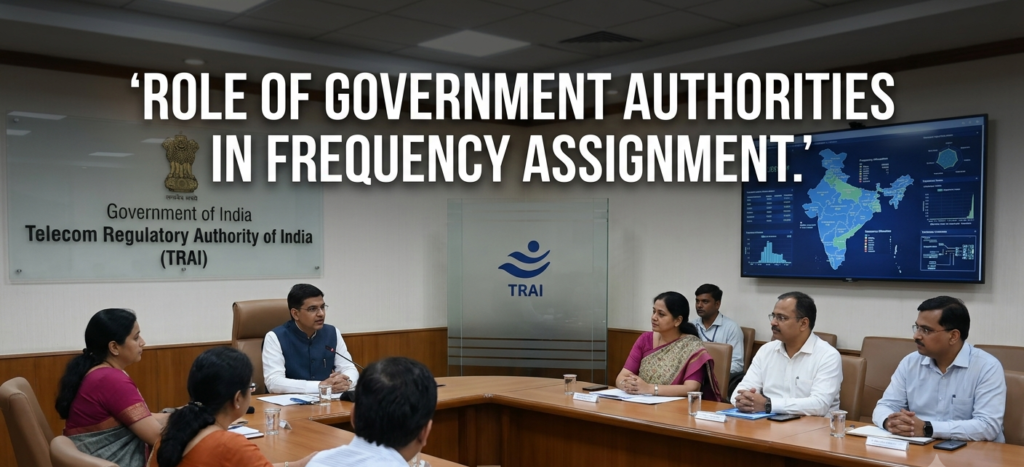
The allocation of FM frequencies is typically handled by way of government regulatory bodies collectively with the Ministry of Information and Broadcasting (MIB) and the Wireless Planning & Coordination (WPC) Wing. These government tests call for technical feasibility and spectrum availability earlier than assigning any FM band to broadcasters.
Key obligations encompass:
- Spectrum Regulation Control: The WPC ensures that radio spectrum is dispatched effectively without overlapping frequencies.
- Licensing of Broadcasters: FM stations have to reap licenses under authorities’ normal recommendations in advance of starting operations.
- Technical Evaluation Process: Engineering groups have examined interference risks and transmission feasibility in advance of allocation.
- Policy Enforcement: Authorities make sure of compliance with broadcasting regulations and telecom policies.
- Coordination with International Standards: India aligns FM making plans with ITU (International Telecommunication Union) tips.
- Monitoring and Compliance Checks: Regular audits make sure that stations perform internal assigned frequencies.
Frequency Band Structure Used in India
FM broadcasting in India usually operates within the VHF (Very High Frequency) band, especially between 88 MHz and 108 MHz. This variety is cut up amongst diverse broadcasters counting on city length, population density, and call for.
Key elements encompass:
- Standard FM Band Usage: India follows the globally normal FM band of 88–108 MHz for uniformity.
- Urban Frequency Density: Metro towns have tighter frequency spacing due to better station density.
- Rural Frequency Distribution: Rural areas regularly have wider spacing due to fewer broadcasters.
- Channel Separation Rules: Frequencies are spaced to save you interference amongst adjacent stations.
- Signal Coverage Planning: Each frequency is assigned primarily based on expected broadcast radius.
- Reserved Government Channels: Some frequencies are reserved for public broadcasters like All India Radio.
Step-via-Step Process of FM Frequency Allocation
The process of How FM Radio Frequencies Are Assigned in India involves numerous technical and administrative steps finished by using government authorities. Each degree is cautiously designed to make certain of inexperienced and interference-loose use of the restrained radio spectrum. It consists of licensing, technical evaluation, and regulatory approvals in advance before any frequency is formally allotted. This systematic technique allows for keeping clean and dependable FM broadcasting throughout the U.S.
Application and Licensing Process
Before obtaining an FM frequency, broadcasters should complete a proper software system set with the useful aid of government. This approach calls for strict compliance with all regulatory recommendations and broadcasting pointers. Applicants also need to locate particular technical proposals outlining their venture and coverage plans. These steps make certain that the most eligible and nicely prepared broadcasters are considered for licensing.
Key steps consist of:
- Submission of Proposal: Broadcasters examine via the Ministry of Information and Broadcasting with awesome task evaluations.
- Financial Eligibility Check: Applicants want to meet monetary standards to make sure of operational balance.
- Technical Documentation Review: Engineering statistics are evaluated for feasibility and insurance-making plans.
- Security Clearance: Government businesses verify possession and safety compliance.
- Auction or Allocation Process: In many instances, frequencies are assigned via auctions or coverage-based allocation.
- License Issuance: Once authorized, government authorities. operational rights for a defined duration.
Technical Frequency Planning and Coordination
After licensing is completed, technical agencies plan on finalizing the proper frequency placement for each station. This step is important to make certain of clean broadcasting with no sign overlap or interference. Engineers carefully have a look at coverage areas, terrain, and present stations in advance before making alternatives. Proper coordination at this stage lets in preserving clean and dependable FM transmission at some stage in regions.
Important elements embody:
- Interference Analysis: Engineers take a look at whether or not close-by frequencies can also motivate sign distortion.
- Geographical Mapping: Terrain and population density impact frequency mission.
- Transmitter Power Control: Power ranges are adjusted to wholesome insurance necessities.
- Co-Channel Coordination: Identical frequencies are carefully spaced in the course of regions.
- Propagation Studies: Signal behavior is analyzed mostly based on environmental situations.
- Final Frequency Approval: Only after technical validation is a frequency officially assigned.
Key Factors Influencing FM Frequency Allocation in India
Several technical and regulatory elements play a vital role in How FM Radio Frequencies Are Assigned in India. These factors make sure that the limited FM spectrum is used correctly and without interference. Proper planning permits smooth broadcasting, terrific for the duration of one-of-a-kind regions. Both natural and technical situations are taken into consideration for the duration of allocation.
- Population Density: Cities with higher populations require extra FM stations, which leads to tighter frequency allocation. This guarantees good enough coverage and better access to various radio content material fabric.
- Geographical Terrain: Mountains, valleys, and urban homes strongly have an impact on how FM symptoms tour. These situations are cautiously studied to make sure of proper sign attainability and readability.
- Spectrum Availability: The FM band has a restrained frequency vicinity, so distribution ought to be carefully managed. Authorities make certain balanced allocations amongst all broadcasters.
- Government Policy Regulations: Telecom and broadcasting hints decide who is eligible for frequency allocation. These hints keep fairness and criminal compliance within the device.
- Interference Management: Frequencies are assigned in a preserved avoid-spreading manner among nearby stations. This guarantees uninterrupted and extraordinarily clear audio for listeners.
- Technological Infrastructure: The awesomeness of transmission towers and device impacts frequency, making plans selections. Advanced infrastructure enables enhanced coverage and sign balance.
Importance of FM Frequency Management in India
Efficient FM frequency control is an important characteristic in ensuring clean, uninterrupted broadcasting services throughout India. It lets in radio stations to operate within simply defined limits, lowering the probabilities of sign overlap and technical disruptions.
This primarily complete technique now not only improves the overall quality of radio transmission but also enables the consistent boom of the broadcasting and media business enterprise. Proper frequency planning enhances the listening level by way of delivering clean and strong audio alerts to clients all through one-of-a-type areas.
It additionally creates a sincere and competitive environment in which both personal and public broadcasters can carry out effectively. Without such organized allocation and law, FM radio systems can be by means of crucial interference problems, primarily due to awful conversation and amazing and decreased reliability.
Conclusion
Understanding How FM Radio Frequencies Are Assigned in India: The famous, particularly mounted and managed device in the lower back of normal radio broadcasting. It is not a random machine but a cautiously controlled framework related to authorities, government, technical specialists, and worldwide necessities to ensure clean verbal exchange.
The allocation tool ensures that every FM station operates on a defined frequency without inflicting interference on others. Through licensing, spectrum planning, and strict regulatory oversight, India keeps a strong and green broadcasting environment.
Overall, How FM Radio Frequencies Are Assigned in India highlights the significance of scientific planning and policy control in dealing with constrained radio spectrum belongings. This system not only allows broadcasters but also ensures listeners keep up with easy, uninterrupted, and remarkable radio services across America.
Explore Our Recent Blogs
- Understanding How RJ (Radio Jockey) Shows Are Produced
- How FM Radio Advertising Works in India
- Why Some FM Stations Are Clearer Than Others in Your Area?
- How Internet Speed Affect Online Radio Streaming Quality?
- Why Some FM Stations Are Clearer Than Others in Your Area?
FAQs
1. How FM Radio Frequencies Are Assigned in India?
FM radio frequencies in India are assigned by the use of government bodies like the Ministry of Information and Broadcasting and the WPC Wing. The manner consists of licensing, technical assessment, and totally absolute spectrum planning to make certain of smooth broadcasting.
2. What is the FM frequency variety utilized in India?
India makes use of the same antique FM broadcasting variety of 88 MHz to 108 MHz that is globally identified. This variety ensures compatibility with international radio systems and devices. It is shared between private FM stations and public broadcasters like All India Radio.
3. Can FM stations use the same frequency in India?
Yes, FM stations can use the same frequency in India, but best in one-of-a-kind geographical places wherein their signals do not overlap. This is made possible through careful technical making plans and frequency reuse techniques. Engineers make certain that the insurance regions stay separated to prevent interference.
4. Who regulates FM radio in India?
FM radio in India is regulated via the Ministry of Information and Broadcasting together with the Wireless Planning & Coordination Wing. These authorities are responsible for licensing, frequency allocation, and compliance monitoring. They make sure that each one of the broadcasters complies with technical and criminal broadcasting requirements.
5. Why is frequency making plans essential for FM radio?
Frequency planning is vital as it prevents signal interference and guarantees easy audio fine for listeners. It also allows for the efficient utilization of the constrained FM spectrum available in India. Without right planning, a couple of stations can also want to overlap and disrupt broadcasting offerings.
6. How does a company get an FM radio license in India?
A commercial employer corporation wants to exercise through dependable authority channels with the aid of submitting technical and financial documentation. The software is going through evaluation, along with safety clearance and feasibility assessments. After approval, the frequency is allocated through public sale or administrative allocation.